2%Nigeria's share of a $180bn market
Business PlanAgro-processing
Cassava Starch, Glucose and Sorbitol Plant Business Plan
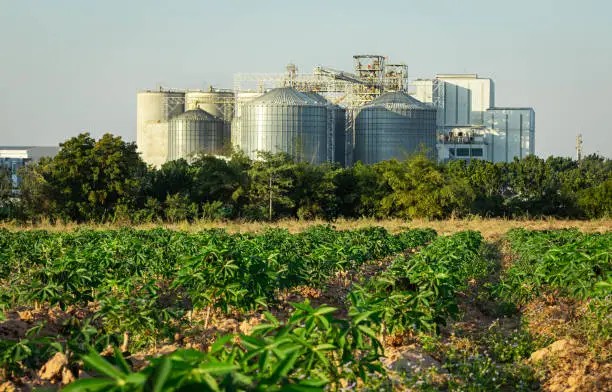
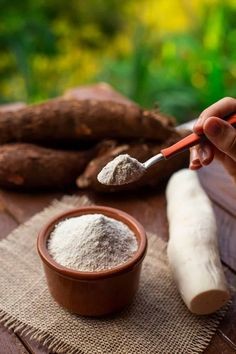
Why now. Nigeria is the world's largest cassava producer, yet it captures about 2% of the crop's $180bn global processing market (Lagos Business School, as reported by BusinessDay, June 2025). About 95% of the glucose and sorbitol sweeteners Nigerian factories use are imported, so a plant that turns cassava into industrial starch and sweeteners sells into demand that already exists.
- Sections
- 15
- Financials
- Five-year projections
- Built for
- Banks, BOI and investors
- Prices
- Current local quotes
Table of Contents
What is inside this plan
Every STATART business plan follows this structure, written around your own business, location and budget.
- 01
Executive summary
- 1.1 Business overview and location
- 1.2 Products, plant capacity and production programme
- 1.3 Summary of setup cost
- 1.4 Financials at a glance
- 1.5 Funding requirement and use of funds
- 02
Business description
- 2.1 Company profile, mission, vision and legal structure
- 2.2 Product or service: Native and modified cassava starch
- 2.3 Product or service: Glucose syrup for food and drinks makers
- 2.4 Product or service: Sorbitol for pharmaceutical and personal care makers
- 2.5 Justification for the venture
- 2.6 Value proposition and unique selling points
- 2.7 Critical success factors
- 2.8 Strategy and implementation
- 03
Industry and market analysis
- 3.1 Industry overview: Cassava Starch, Glucose & Sorbitol in Nigeria
- 3.2 Market size, growth prospects and demand drivers
- 3.3 Consumption pattern in your state and catchment
- 3.4 National and state competitive landscape
- 3.5 Competitive forces (Porter's five forces)
- 3.6 SWOT analysis
- 3.7 Local industry challenges
- 04
Customer analysis
- 4.1 Target customer: Beverage, confectionery and food manufacturers
- 4.2 Target customer: Pharmaceutical and personal care manufacturers
- 4.3 Target customer: Paper, textile and adhesive makers
- 4.4 Buying behaviour and price points
- 4.5 Demand estimate for your location
- 05
Marketing, sales and distribution
- 5.1 Marketing objectives
- 5.2 Pricing strategy
- 5.3 Route to market: Direct supply contracts with manufacturers
- 5.4 Route to market: Industrial distributors
- 5.5 Route to market: Export buyers in West Africa
- 5.6 Market entry strategy
- 5.7 Promotion and customer retention
- 5.8 Distribution strategy and logistics
- 06
Plant, production planning and facilities
- 6.1 Machinery and equipment: Rasping, starch extraction and drying line
- 6.2 Machinery and equipment: Enzyme hydrolysis and refining line for glucose
- 6.3 Machinery and equipment: Hydrogenation unit for sorbitol
- 6.4 Machinery requirement and cost
- 6.5 Plant capacity and production programme (capacity utilisation by year)
- 6.6 Production process flow
- 6.7 Raw materials and suppliers
- 6.8 Utilities requirement: power, water and fuel
- 6.9 Land and building requirement
- 07
Legal, regulatory and quality standards
- 7.1 CAC registration
- 7.2 NAFDAC product registration
- 7.3 SON MANCAP certification
- 7.4 Environmental impact assessment approval
- 7.5 Approval steps and timelines
- 7.6 Quality control and product standards
- 7.7 Health, safety and environment
- 08
Management and manpower
- 8.1 Organisational structure
- 8.2 Management team and advisers
- 8.3 Recruitment and training plan
- 8.4 Staff requirement and emoluments
- Want this plan built for your business?All 15 sections are written around your location, budget and funding goal, with five-year financials.Request this business plan
- 09
Startup cost and capital requirement
- 9.1 Production machinery and installation
- 9.2 Land, building and fit-out
- 9.3 Vehicles, generator and other assets
- 9.4 Pre-operating, licensing and consultancy costs
- 9.5 Working capital requirement
- 9.6 Contingency
- 9.7 Summary of setup cost
- 10
Financial projections
- 10.1 Key assumptions
- 10.2 Unit production cost and product pricing
- 10.3 Revenue projections
- 10.4 Direct and administrative costs
- 10.5 Five-year income statement
- 10.6 Cash flow projection
- 10.7 Balance sheet
- 10.8 Depreciation schedule
- 10.9 Margins and financial ratios
- 11
Investment appraisal
- 11.1 Break-even analysis
- 11.2 Payback period
- 11.3 Net present value and internal rate of return
- 11.4 Sensitivity analysis: price, volume and cost changes
- 11.5 Debt service cover for lenders
- 12
Risk assessment and mitigation
- 12.1 Risk: Cassava price and supply swings
- 12.2 Risk: Power and fuel costs
- 12.3 Risk: Competition from imported sweeteners
- 12.4 Mitigation plan
- 13
Funding strategy
- 13.1 Funding sources: equity, bank, BOI, grants and investors
- 13.2 Use of funds
- 13.3 Loan repayment schedule
- 13.4 Growth and exit plan
- 14
Implementation timeline
- 14.1 Business planning and approvals
- 14.2 Site preparation, construction and installation
- 14.3 Machinery installation, trial runs and certification
- 14.4 Commercial launch and first-year milestones
- 15
Appendices
- 15.1 List of tables and figures
- 15.2 Detailed financial workings
- 15.3 Equipment and price quotations
- 15.4 Production process flow chart
- 15.5 Market survey data
- 15.6 NAFDAC requirements checklist
That is the full structure of the plan
Request it and we build every section around your numbers, ready for banks, BOI and investors.
Ready to start your plan?
Request this business plan and our team will reach out personally, usually the same day.