61 kmDaily distance where e-keke beats petrol
Business PlanTransport
Battery Swapping for Electric Tricycles (E-Keke) Business Plan
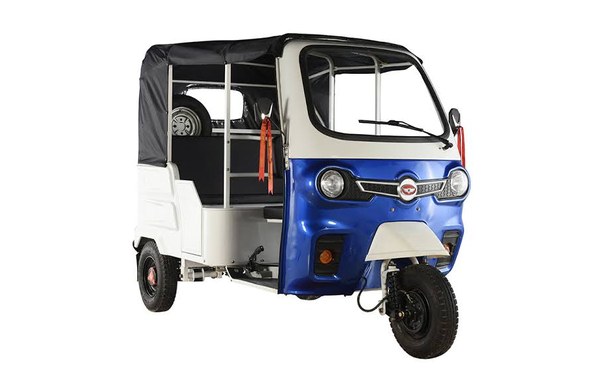
Why now. Electric keke are arriving on Nigerian roads, with e-keke launches in Lagos and Port Harcourt and the April 2026 removal of import duty on EVs, according to reports. At the May 2026 petrol price reported by NBS, a rider who covers more than about 61 km a day spends less on swapped batteries than on petrol.
- Sections
- 15
- Financials
- Five-year projections
- Built for
- Banks, BOI and investors
- Prices
- Current local quotes
Table of Contents
What is inside this plan
Every STATART business plan follows this structure, written around your own business, location and budget.
- 01
Executive summary
- 1.1 Business overview and location
- 1.2 Products, services and capacity
- 1.3 Summary of setup cost
- 1.4 Financials at a glance
- 1.5 Funding requirement and use of funds
- 02
Business description
- 2.1 Company profile, mission, vision and legal structure
- 2.2 Product or service: Battery swap stations for electric keke
- 2.3 Product or service: Battery leasing on a daily fee
- 2.4 Product or service: Lease-to-own e-keke financing for riders
- 2.5 Justification for the venture
- 2.6 Value proposition and unique selling points
- 2.7 Critical success factors
- 2.8 Strategy and implementation
- 03
Industry and market analysis
- 3.1 Industry overview: E-Keke Battery Swapping Business Plan in Nigeria
- 3.2 Market size, growth prospects and demand drivers
- 3.3 Consumption pattern in your state and catchment
- 3.4 National and state competitive landscape
- 3.5 Competitive forces (Porter's five forces)
- 3.6 SWOT analysis
- 3.7 Local industry challenges
- 04
Customer analysis
- 4.1 Target customer: Keke owner-riders
- 4.2 Target customer: Ride-hailing and fleet operators
- 4.3 Target customer: Cargo and last-mile keke operators
- 4.4 Buying behaviour and price points
- 4.5 Demand estimate for your location
- 05
Marketing, sales and distribution
- 5.1 Marketing objectives
- 5.2 Pricing strategy
- 5.3 Route to market: Motor park and union partnerships
- 5.4 Route to market: Fleet and platform contracts
- 5.5 Route to market: Rider referral rewards
- 5.6 Market entry strategy
- 5.7 Promotion and customer retention
- 5.8 Service delivery framework
- 06
Operations and facilities
- 6.1 Setup: Solar-backed swap cabinets
- 6.2 Setup: Tracked LFP battery packs
- 6.3 Setup: DC fast-charging fallback bay
- 6.4 Premises, fit-out and equipment cost
- 6.5 Service capacity and daily operations
- 6.6 Suppliers and stock management
- 6.7 Utilities requirement: power, water and fuel
- 6.8 Technology and record keeping
- 07
Legal, regulatory and quality standards
- 7.1 CAC registration
- 7.2 State planning and fire safety approvals
- 7.3 SON conformity for packs and chargers
- 7.4 NESREA battery end-of-life plan
- 7.5 Approval steps and timelines
- 7.6 Quality control and product standards
- 7.7 Health, safety and environment
- 08
Management and manpower
- 8.1 Organisational structure
- 8.2 Management team and advisers
- 8.3 Recruitment and training plan
- 8.4 Staff requirement and emoluments
- Want this plan built for your business?All 15 sections are written around your location, budget and funding goal, with five-year financials.Request this business plan
- 09
Startup cost and capital requirement
- 9.1 Equipment and installation
- 9.2 Land, building and fit-out
- 9.3 Vehicles, generator and other assets
- 9.4 Pre-operating, licensing and consultancy costs
- 9.5 Working capital requirement
- 9.6 Contingency
- 9.7 Summary of setup cost
- 10
Financial projections
- 10.1 Key assumptions
- 10.2 Unit cost and service pricing
- 10.3 Revenue projections
- 10.4 Direct and administrative costs
- 10.5 Five-year income statement
- 10.6 Cash flow projection
- 10.7 Balance sheet
- 10.8 Depreciation schedule
- 10.9 Margins and financial ratios
- 11
Investment appraisal
- 11.1 Break-even analysis
- 11.2 Payback period
- 11.3 Net present value and internal rate of return
- 11.4 Sensitivity analysis: price, volume and cost changes
- 11.5 Debt service cover for lenders
- 12
Risk assessment and mitigation
- 12.1 Risk: Fee competition from platform-owned stations
- 12.2 Risk: Grid failures and pack downtime
- 12.3 Risk: A fall in the petrol price
- 12.4 Mitigation plan
- 13
Funding strategy
- 13.1 Funding sources: equity, bank, BOI, grants and investors
- 13.2 Use of funds
- 13.3 Loan repayment schedule
- 13.4 Growth and exit plan
- 14
Implementation timeline
- 14.1 Business planning and approvals
- 14.2 Premises and fit-out
- 14.3 Equipment setup, staffing and soft launch
- 14.4 Commercial launch and first-year milestones
- 15
Appendices
- 15.1 List of tables and figures
- 15.2 Detailed financial workings
- 15.3 Equipment and price quotations
- 15.4 Market survey data
- 15.5 SON requirements checklist
That is the full structure of the plan
Request it and we build every section around your numbers, ready for banks, BOI and investors.
Ready to start your plan?
Request this business plan and our team will reach out personally, usually the same day.